How to Plan a Small Celebration at Salotto Della Sorgente: Step-by-Step Checklist
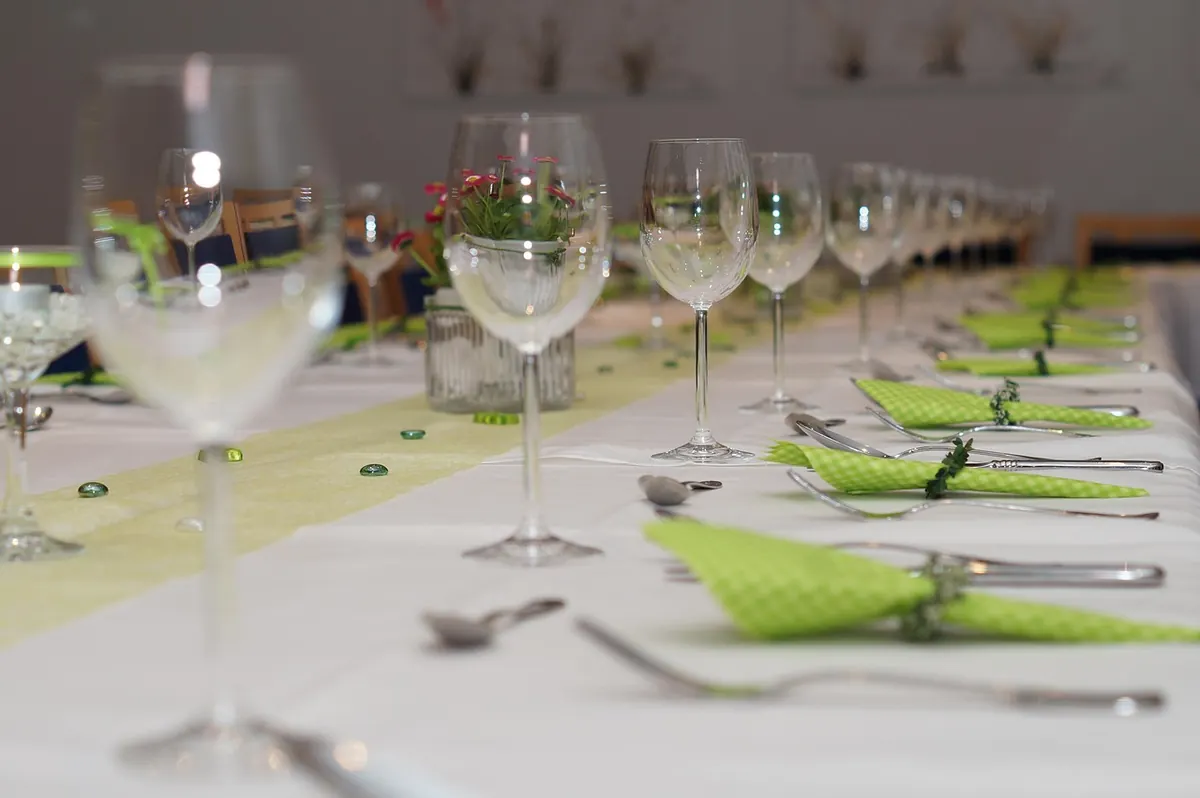
A celebration for fourteen people is not a wedding scaled down. It is its own kind of event, with its own logic. The room is smaller, the menu is shorter, the mistakes are more visible. When everyone at the table can hear every conversation, there is nowhere to hide a badly timed toast or a course that arrives twenty minutes late. The compensation is that you can control almost everything, and a well-planned small gathering feels effortless in a way a large one rarely does. What follows is the order of operations we would use if we were planning one ourselves: numbers first, then time, then food, then the questions that save you from surprises.
Settle the Guest Count Before Anything Else
Not the guest list. The count. Until you have a number, you cannot judge a room, choose a menu format, or have a sensible conversation about budget. Most planners do this backwards, drawing up names and then looking for a space to hold them.
Work with a range rather than a single figure. Something like "twelve firm, sixteen if the cousins come" is honest planning. Give the venue the upper number. It is far easier to remove a chair than to add a table in a room that has already been set.
A useful rule: invite to the number you can seat properly, not the number the room can physically contain. If a space seats twenty comfortably and you have eighteen confirmed, you have no margin at all for plus-ones, late additions, or the guest who brings a partner you did not know about. Decide your plus-one policy before a single invitation goes out, and apply it without exception. Ambiguity here is the single most common source of friction in small events.
Choose the Time Before You Choose the Menu
The hour of day shapes everything downstream: the food, the lighting, the length of the event, and who can realistically attend. A midday celebration tends to suit older guests and young families, finishes early enough that everyone drives home in daylight, and generally asks less of the kitchen than a full evening service. An evening event allows a slower pace and a longer table, but it also means people arrive tired and leave late.
Think about light as well as appetite. A room with large windows looks entirely different at five in the afternoon in July than it does in November. If you are booking months ahead, ask what the room will feel like at your chosen hour, and whether there is a lighting plan for after dark.
Give the event an end, not just a beginning
A seated meal for a small group runs comfortably in two and a half to three hours. A standing aperitivo works best in ninety minutes to two hours. Put both times on the invitation. Guests plan their evening around a finish line, and staff need one to pace the service. Build in thirty minutes before the start for your own arrival and a final walk-through, and resist stacking other obligations onto the same day.
Shape the Menu Around the Room and the Crowd
The best small-event menus are short. Three courses executed well will always beat five courses that stretch the kitchen and the guests. Ask what the kitchen does particularly well at your size, rather than accepting a standard package unchanged. A venue cooking for sixteen can often be more flexible than one cooking for a hundred and sixty.
Choose a format deliberately. A seated dinner encourages conversation with the people either side of you. Family-style service gets the whole table talking and moves faster. Passed bites work when you want people standing and mingling. Each one changes how long the event takes and how much structure it needs.
Collect dietary requirements at the moment people RSVP, not the week before. Ask plainly and specifically, and pass the answers to the kitchen in writing. If a guest has a serious allergy, put them in direct contact with the venue so they can confirm details themselves rather than relying on a relayed message.
Keep the drinks simple and considered
One welcome pour as guests arrive, wine through the meal, and a non-alcoholic option that has had some thought put into it. That is usually enough. Ask the venue what they would cut from your order if it were their own party — the answer is often useful.
Questions Worth Asking the Venue
Bring these to your first conversation, and get the answers in writing:
- How many guests does the room hold comfortably, seated and standing separately?
- What is included in the hire — linens, glassware, service staff, sound system, cake service, cleaning?
- When can we access the room for setup, and when must we be out?
- Is there a minimum spend, and does it apply to food, drink, or both?
- Is anything else happening in the building that day, before or after us?
- What are the deposit and cancellation terms?
- Is there parking nearby, and step-free access for a guest with limited mobility?
- Is there a house sound system, a volume limit, or a music curfew?
- If any part of the plan involves the outdoors, what is the wet-weather alternative?
- Who is our point of contact on the day itself?
A small event has no backstage. Whatever goes wrong, your guests will see it — which is exactly why the questions above are worth asking twice.
Map the Event Hour by Hour
A written running order is the difference between hosting and firefighting. Keep it to one page and share it with the venue.
- Sixty minutes before: you arrive, walk the room, confirm the table plan and any dietary notes.
- Thirty minutes before: flowers, name cards, playlist checked, phones charged.
- Fifteen minutes before: a drink of water, a moment to yourself.
- Arrival: someone at the door to greet. This should not be you if you are also managing the venue.
- Thirty minutes in: welcome toast, two to three minutes, written down beforehand.
- Then the meal, with courses paced roughly twenty-five to thirty minutes apart.
- Cake or dessert, coffee, and a clear signal for the last half hour.
- End time: a thank-you at the door, and the gifts and leftovers accounted for.
Details That Carry a Small Room
With fifteen guests, everything is noticed. That is an advantage. One arrangement of flowers on the table will read as generous where ten would read as noise. Printed menus, handwritten name cards, a single well-chosen playlist that runs the length of the event — these small gestures do more work in a small room than any amount of decoration.
Decide on the toast early. Ask one person, tell them roughly how long, and give them a heads-up so they are not caught off guard. Assign someone to take photographs so the job does not fall to you or get forgotten entirely. If you are giving favours, keep them edible or useful, or skip them.
The Week Before: A Short, Practical Close
Confirm the final headcount with the venue a few days out, along with any dietary notes and the running order. Send your guests a single message containing the address, the start and finish times, parking or transport details, and what to wear. Decide in advance how you will handle the final payment and any gratuity so that nobody is doing arithmetic at the table.
On the day, hand the timeline to your contact, eat something before you arrive, and let one other person be the point of contact for the venue if you can. Your job is to be present with the people you invited. Everything else is logistics, and logistics are much easier to solve in advance than in the moment.
Photo: Monsterkoi / Pixabay