A First-Timer's Guide to Dining at Salotto Della Sorgente: Menus, Timing, and Reservations
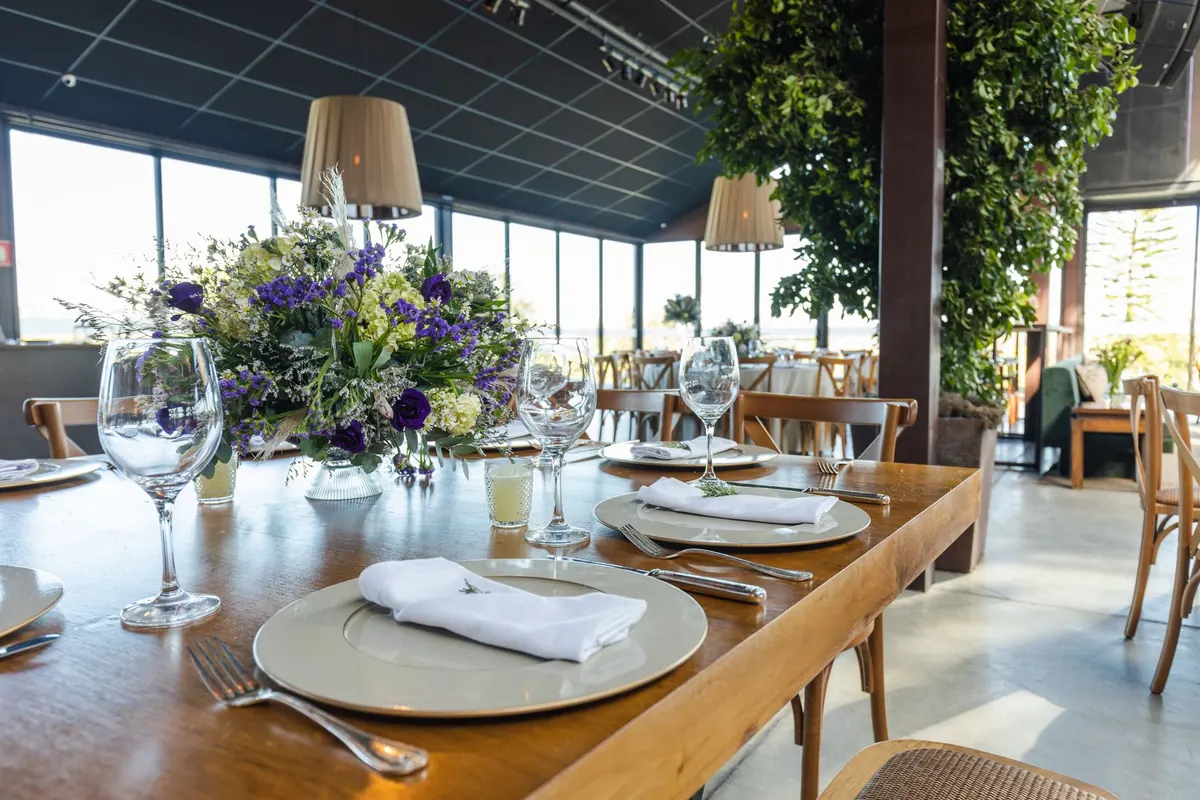
A first visit to a place you've only seen in photographs is a particular kind of anticipation. You know the room is handsome. What you don't know is whether dinner will run ninety minutes or three hours, whether the menu rewards curious ordering or plain good sense, or whether arriving at eight without a booking is optimistic or simply reckless. None of that is difficult to sort out — it just helps to know before you walk through the door. Here is how an evening here is put together, and how to plan yours.
The Shape of an Evening
The name is the first clue. A salotto is a drawing room, the good room where guests are received and nobody is in a hurry to move them along. Meals here are built around that idea: a sequence of courses rather than a single plate set down and cleared away. Expect the rhythm of a proper Italian table — something small and cold to begin, a round of antipasti that are meant to be shared, a first course of pasta or soup, a second of fish or meat, and something sweet at the end.
You are not expected to order all of it. Two courses is a perfectly respectable dinner; three is generous; five is a long, happy evening that you should only attempt if the rest of your night is genuinely free. The kitchen would rather you order what you'll enjoy than what looks impressive on paper.
Weekday and weekend feel different
Midweek, the room moves at a brisker pace and the tables turn. On Fridays and Saturdays, service slows deliberately — courses are spaced, the room fills, and the last tables are rarely in a rush to leave. If you need to be somewhere else afterwards, that's worth saying at the time you book.
Reading the Menu Without Guessing
Menus shift with the season and with what the kitchen can get, so there's little point memorising dishes in advance. What travels well is knowing how to order.
Start by asking what's good today
This is not a test, and nobody will be offended. Ask which dish the kitchen is happiest with at the moment, or what came in freshest. You'll usually get a straight answer, and it's often not the most expensive item on the page.
Share across the first half of the meal
The antipasti are the most sociable part of the menu. Order three or four between two people, let everyone take a bite of everything, and use that round to work out how hungry you actually are. It's a far better guide than guessing your appetite before you've sat down.
Ask about portion size before committing
First courses in this style of cooking are often more substantial than visitors expect. If you're weighing up a pasta followed by a main, ask whether that's a sensible combination for one person or whether you'd be wiser to choose one and add a vegetable. Serving staff answer this question constantly.
Flag dietary needs early
Say it when you book, not when the plate arrives. Allergies, a vegetarian in the party, a dislike that's close to a phobia — all of it is easier to accommodate with a day's notice than at the table. If something has changed since you booked, mention it as you're seated.
Timing: When to Arrive and How Long to Allow
For a three-course dinner, allow two hours. For the full run of courses with an aperitivo beforehand, allow closer to three. These are not strict numbers, but they're realistic ones, and they're the reason a table booked at half past eight for a nine o'clock curtain almost never works.
If you have a train, a concert, or a babysitter on the clock, say so when you book and again when you order. Kitchens and front-of-house teams can pace a meal to a deadline quite comfortably — they simply can't do it if they find out at dessert. Conversely, if the evening is open-ended, say that too; you'll be left alone to enjoy it.
Lunch is the calmer sitting. The room is quieter, service is faster, and it's the easier introduction if you're unsure what to expect. Dinner is the fuller experience.
Arriving ten or fifteen minutes late is rarely a problem on a normal evening. Arriving thirty minutes late without a phone call is, particularly if the room is full. One quick call is all it takes.
Reservations: When to Book and What to Say
Reserving is straightforward, but a little precision at the booking stage saves a lot of awkwardness later.
- Book earlier than feels necessary. For a weekend dinner, a week's notice is sensible; for a large group, a celebration, or a holiday period, give considerably more.
- Ask for the table you want. Window, corner, quieter side of the room — requests are not guaranteed, but they are noted far more often than guests assume.
- State the occasion. A birthday, an anniversary, a business dinner and a casual catch-up all call for slightly different handling, and the room reads better when it knows which it is.
- Give the real number. If you're booking for four but might be six, say six and adjust downwards. Shrinking a table is easy; expanding one on a busy night is not.
- Ask about cancellation. Policies vary, and it's better to know the terms when you book than to discover them afterwards.
- Confirm the day before. A short call or message the previous afternoon settles everything and frees you to simply turn up.
What First-Timers Usually Get Wrong
- Treating it as a quick dinner. The pacing is deliberate. If you're in a hurry, order two courses and say so up front.
- Skipping the aperitivo. That first drink is where the evening starts, not a delay before it.
- Ordering the whole menu at once. Order the first round, then decide on mains once you've eaten. You'll order better and waste less.
- Assuming the menu is fixed. Ask about the day's dishes; the printed list is rarely the whole story.
- Ignoring the wine list because it looks long. Ask for something by the glass that suits what you've ordered. It's a normal request, not an imposition.
- Leaving without booking the next visit. If you enjoyed it, the quietest moment to secure a table for a busier date is on your way out.
Before You Walk In
Book a week ahead for weekends, allow two hours for three courses, and mention anything the kitchen should know when you reserve rather than when you sit down. Arrive a few minutes early so the start of the evening isn't hurried. Order the first round, then decide the rest once you've eaten something. And if you're unsure about anything at all — a dish, a portion, a pairing — ask. A drawing room is, by definition, a place where questions are welcome.
Photo: Matheus Bertelli / Pexels