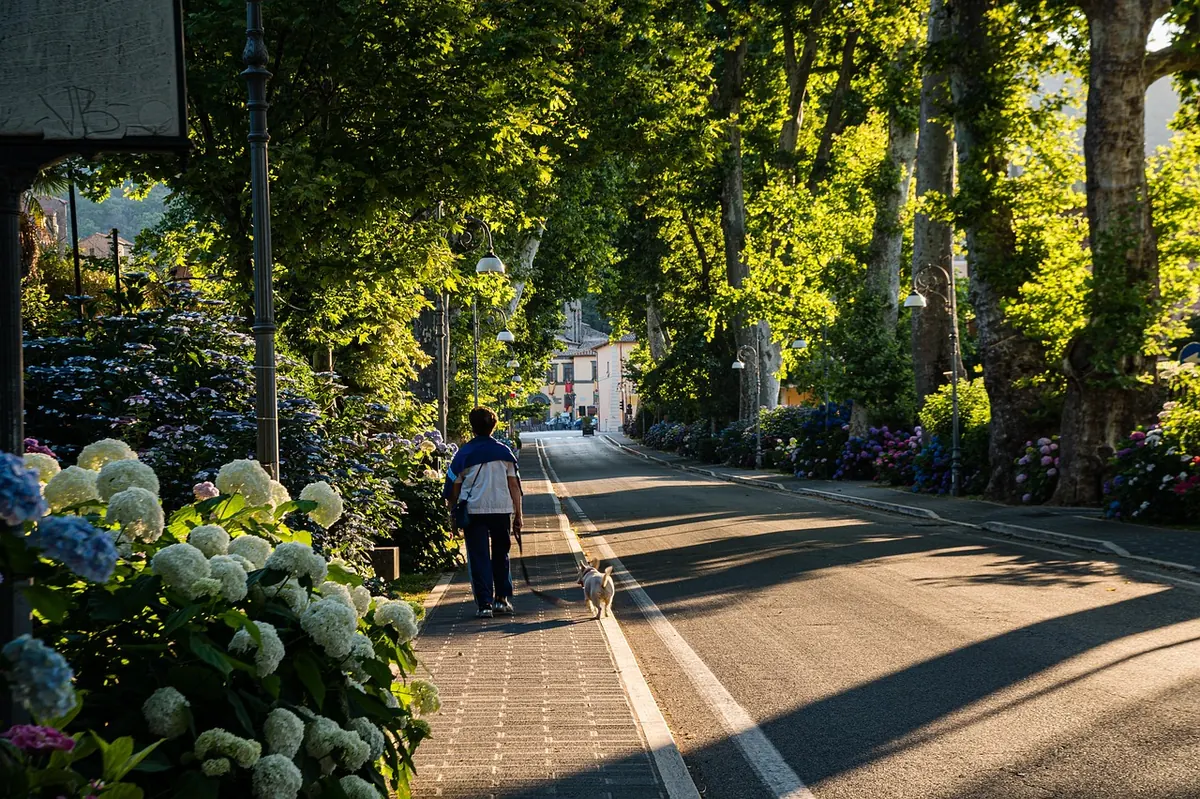
Beginner's Guide to Hosting a Private Event at Salotto Della Sorgente
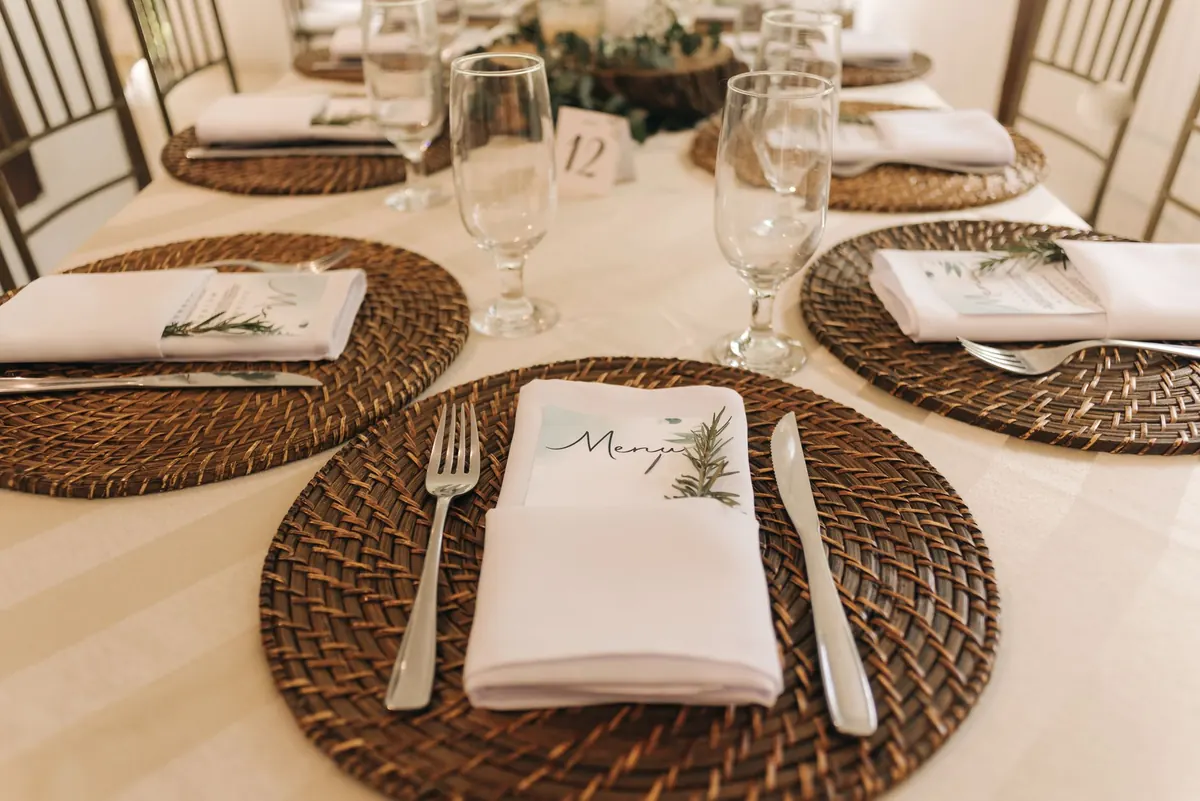
Planning your first private event can feel like trying to hold a dinner party, a logistics exercise, and a family reunion in your head at once. The good news is that you do not need a perfect plan to begin. You need a clear purpose, a realistic guest count, and a venue team who can help you turn those two facts into a room that works. This guide is for hosts considering Salotto Della Sorgente for a private gathering—whether it is a birthday lunch, a small wedding welcome, a company dinner, or a celebration with friends. It will not hand you a rigid script. It will show you the decisions that matter first, the questions to ask before you commit, and the simplest way to move from idea to confirmed booking.
Choose the format before you choose the tablecloth
Most private events at a hospitality venue fall into three broad shapes. Each one changes the room layout, the menu, the timing, and the way guests behave. Decide the shape early and the rest of the planning gets quieter.
- Seated meal. Guests have a place, a table, and a clear rhythm: welcome, sit, eat, speeches, dessert, goodbye. This format suits milestone birthdays, family lunches, rehearsal dinners, and smaller company gatherings. It rewards a careful guest list because who sits next to whom matters.
- Standing reception. Guests arrive, mingle, and eat in waves. This works well for launches, anniversaries, welcome drinks, and events where conversation is the main event. The trade-off is that some guests—older relatives, anyone with mobility needs, close friends who want a long talk—may need a few seats and a quieter corner.
- Hybrid format. A drinks reception followed by a seated meal, or a seated lunch that opens into a standing party. This is often the most forgiving choice for mixed crowds. It gives guests a structured start and a relaxed finish, but it needs a venue that can move chairs and reset a room without making guests feel rushed.
Write your format in one sentence: “A seated lunch for thirty with a short welcome and no formal speeches.” That sentence is more useful to a venue than a long description of colors and flowers. You can add style later. First, get the shape right.
Five questions to answer before you ask about dates
You do not need final answers. Rough answers are enough to start a useful conversation. Bring these five questions to the table before you inquire about availability.
- Who is coming, and why? A celebration with close friends has a different social temperature from a client dinner. Name the occasion in plain words.
- How many people, really? Give a firm number and a likely range. Note children, plus-ones, and anyone who may need a seat or a step-free route.
- What should guests feel first? Welcomed at the door? Wowed by the room? Free to move? The answer will shape the arrival, the lighting, and the music.
- What time of day and season? Lunch and evening events ask different things of a room. Consider winter coats, summer heat, and how guests will travel home.
- What is your all-in budget boundary? Not the number you hope to spend—the ceiling you can comfortably live with. Keep that figure private if you like, but be honest with yourself before you fall in love with a detail.
If you can answer those five questions in a short email, you are ready to ask about dates. If you cannot, spend twenty minutes writing down what you know. A little clarity now saves a lot of back-and-forth later.
Visit with a notebook, not a mood board
A room can look beautiful in a photograph and still make a welcome speech awkward. Visit at the hour your event will start, and ask to see the room set for your format—seated, standing, or hybrid—not just empty. Walk the route a guest will take from the door to the coat area to the first drink. Then ask the practical questions.
- Where do guests arrive, and who greets them?
- Is there a comfortable place for older guests, prams, or anyone who needs to sit?
- How does sound behave when the room is full? Can you hear a speech without a microphone?
- Is there a wet-weather plan for arrivals, photos, or extra space?
- Where do suppliers load in, and who handles setup and cleanup?
A good venue visit is less about admiring the room and more about imagining the first twenty minutes of your event.
Take notes. Ask what is included and what is an extra. If a detail matters to you—dietary needs, accessibility, a quiet space for children, a late finish—raise it now, while there is room to adjust.
Build a simple timeline, then protect the breathing room
Work backward from the start time and keep the plan deliberately simple. Guests need a clear arrival, a moment of welcome, a natural point to eat, and an easy way to leave. Speeches are usually better after food than before it. Cake or a toast can be a signal that the formal part is winding down.
Decide early
- The format, date window, and guest count range.
- Your budget ceiling and the non-negotiables you will not trade away.
- Dietary, accessibility, and travel needs.
- Who will make decisions on the day if you are pulled away.
Let these wait
- Place cards, playlist order, and the exact photo list.
- Decor details that depend on the final room layout.
- The welcome speech—draft the shape, not the wording.
Leave more time than you think you need between setup and the first guest. A cushion of fifteen quiet minutes is worth more than one extra decoration.
Make the first twenty minutes do the work
A calm host at the door sets the tone for everything that follows. Assign someone to greet guests if you cannot be there yourself. Put drinks where people naturally land. Make the coat area obvious. If guests will move between spaces, signpost the route without turning the room into an airport terminal.
Food and drink should be easy to describe in one sentence and easy to serve without you disappearing into the kitchen. Ask the venue how dietary needs are handled and confirm the answer in writing. Choose a menu you can enjoy, not one that turns you into a member of staff for the evening.
Keep the budget and guest list honest
The guest list is the loudest variable in almost every event budget. Every additional guest can affect seating, food, drink, staffing, and table size. Decide the number you are aiming for, then add a small contingency for the “one more person” conversations that always appear.
Ask for a written quote that separates venue, food, drink, staff, extras, taxes, and service. Read the cancellation terms before you pay a deposit. If a contract, deposit rule, or insurance question is unclear, ask the venue to explain it and seek professional advice where it matters. You do not need to become an expert in event contracts, but you do need to know what you are agreeing to.
Your next three steps
You can move from idea to inquiry without a full event plan. Start with a one-page brief: the occasion, a date window, the guest count range, the format, your budget ceiling, and the few details you cannot do without. Send that to Salotto Della Sorgente and ask about availability and a visit.
On the visit, bring your notebook and your questions. Ask for a written quote, check the practical flow, and confirm the important details in writing. Then let the venue team do the part they do every week. A good private event should feel like your gathering—not like a production you have to survive.
Photo: Jonathan Borba / Pexels